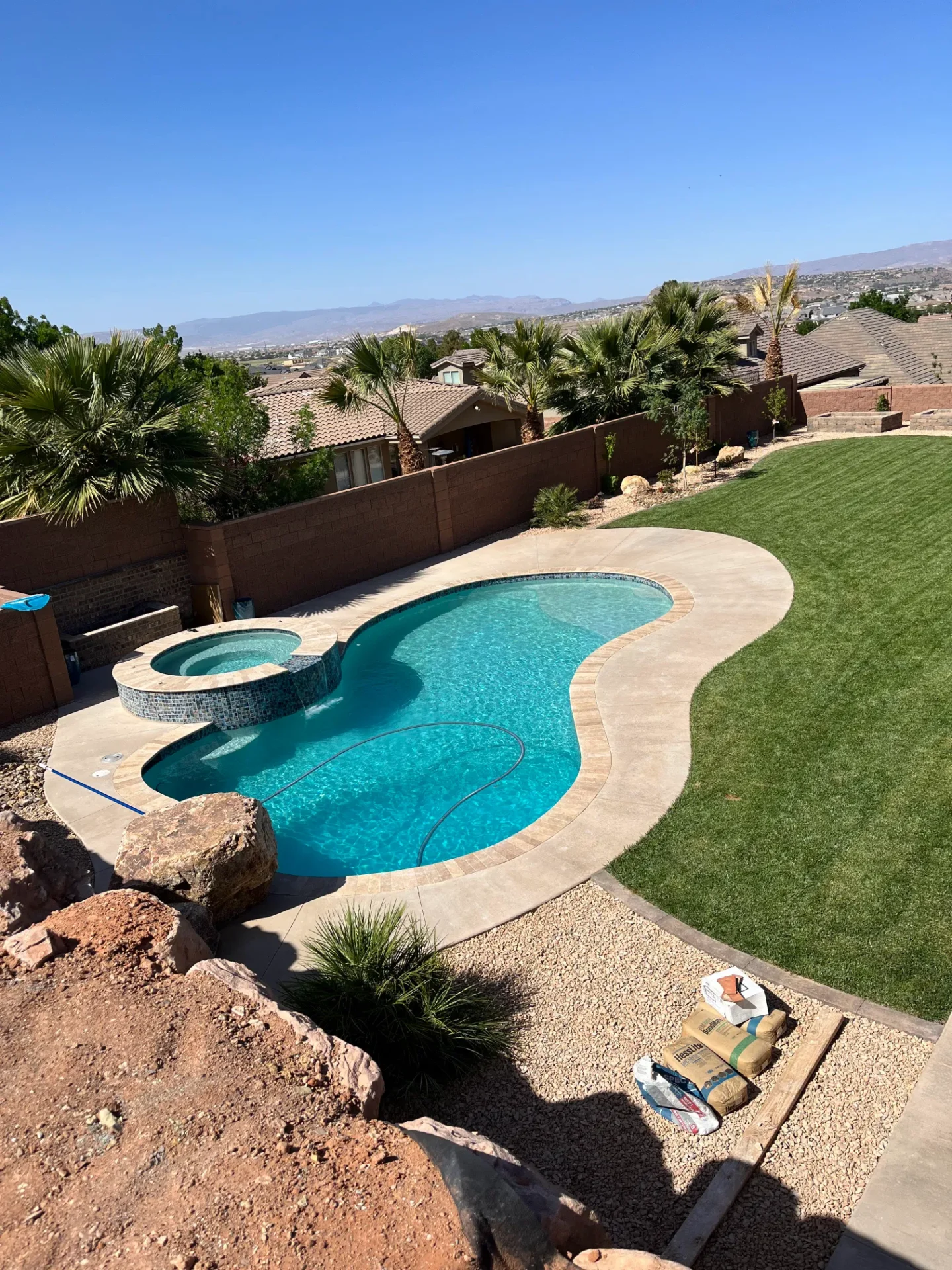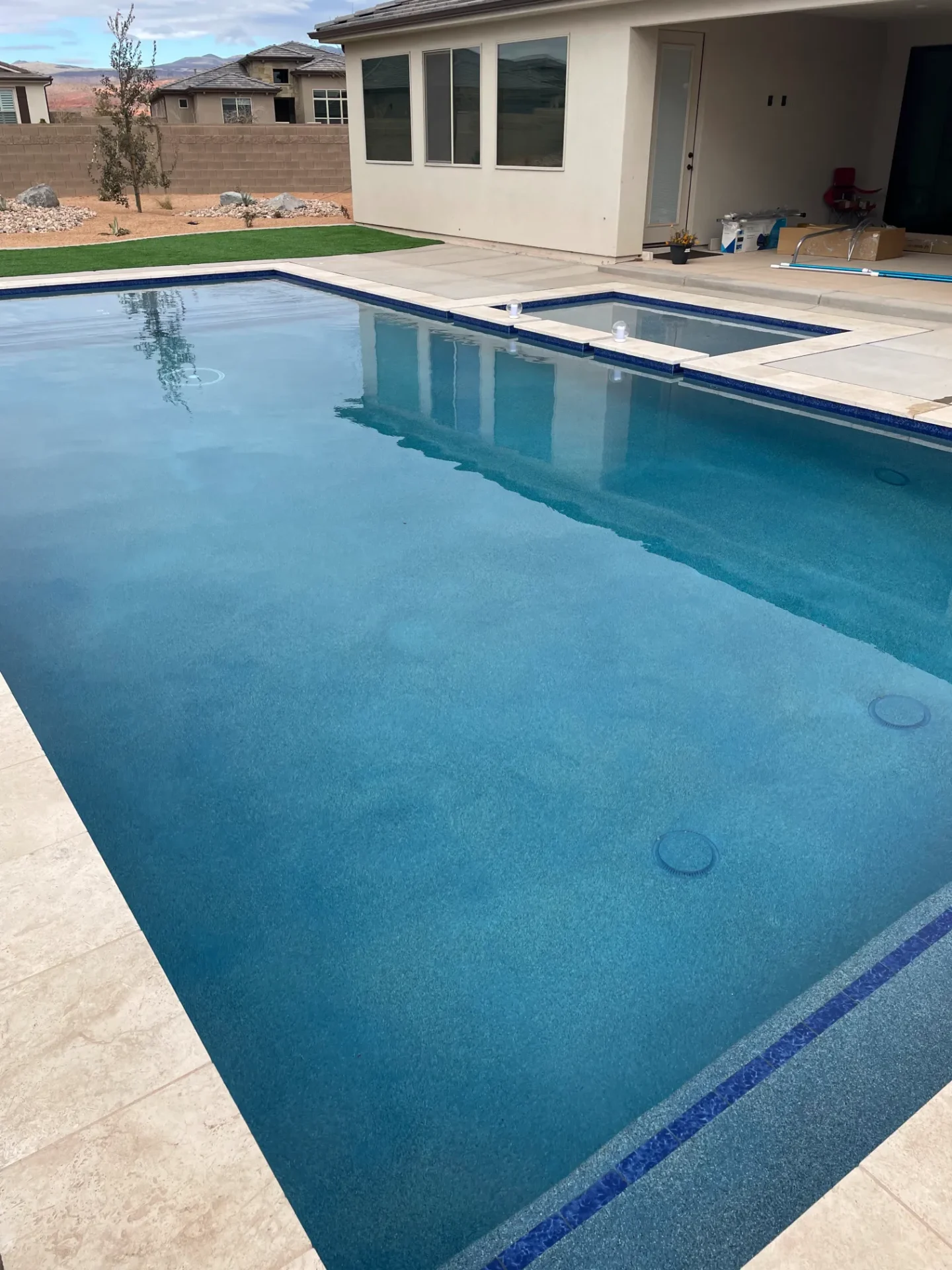
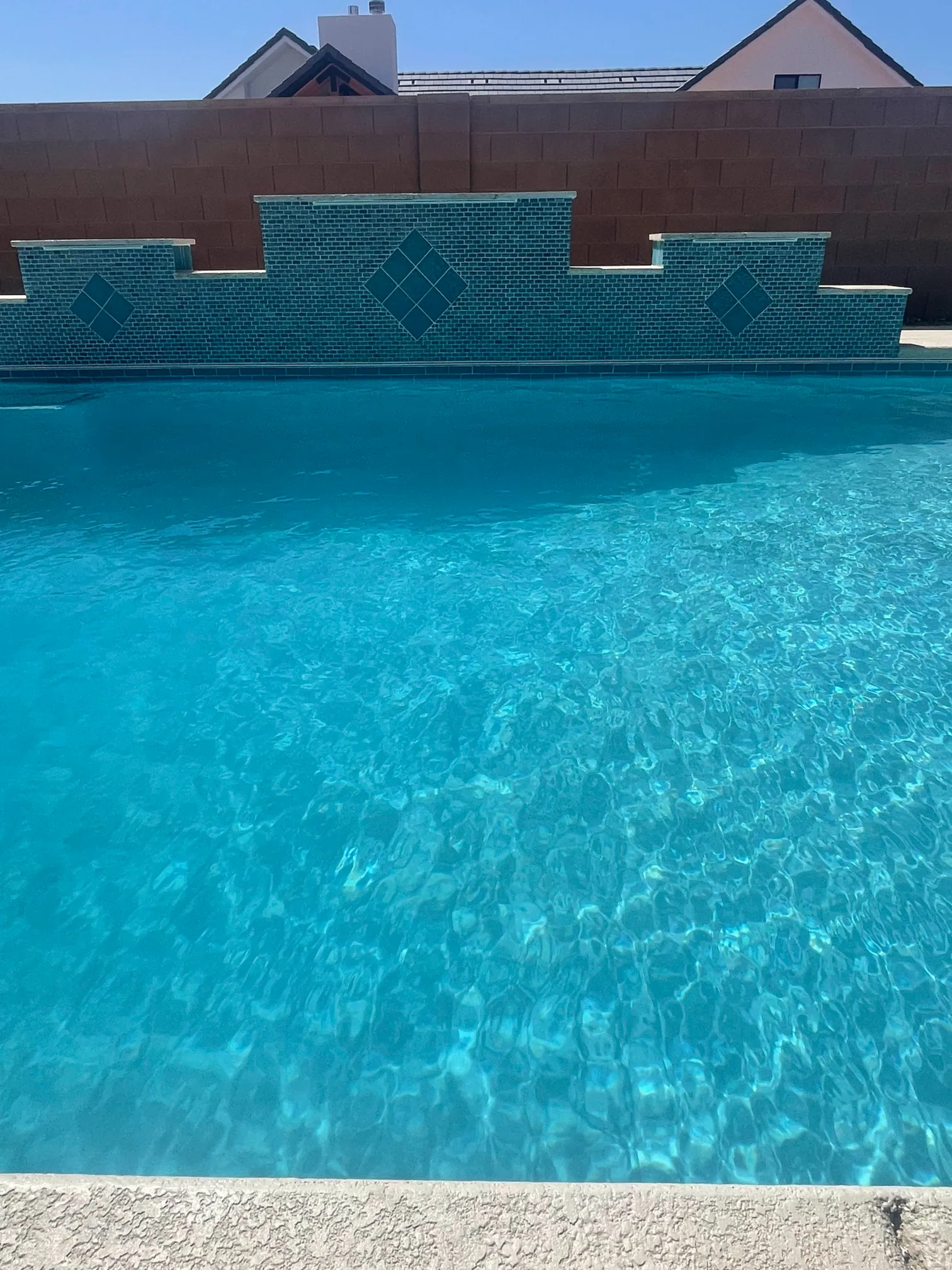
A swimming pool is a major investment, and keeping it in top shape requires proper care. Over time, pool resurfacing becomes necessary to maintain the pool’s structure, safety, and visual appeal. If you’ve noticed rough spots, cracks, or stains, it might be time to resurface your pool and restore its beauty and functionality.
Common Signs You Need Pool Resurfacing
1. Rough or Pitted Pool Surface
Over the years, pool plaster wears down, creating rough or uneven areas. If the surface feels harsh on your feet or hands, it’s a sign the plaster is deteriorating. Resurfacing smooths out these rough patches, making your pool safer and more comfortable.
2. Persistent Stains and Discoloration
Chemical exposure, mineral buildup, and algae growth can lead to stubborn stains that won’t come off with regular cleaning. If your pool looks aged and discolored, resurfacing can refresh the surface, eliminating stains and restoring a clean, polished look.
3. Cracks and Structural Damage
Visible cracks in the plaster or pool shell can lead to serious issues like leaks and water loss. Even small cracks can expand over time, weakening the pool structure. Addressing these early with resurfacing helps prevent costly repairs down the line.
4. Frequent Water Loss
If you constantly have to refill your pool, a worn-out surface could be allowing water to seep through. Resurfacing seals potential leaks, reducing water loss and preventing additional damage to the pool’s foundation.
5. Fading or Dull Appearance
Years of sun exposure and chemical treatments can cause pool finishes to fade or appear patchy. If your pool looks outdated, resurfacing provides a fresh, modern finish that enhances the overall look of your backyard.
6. Difficulty Maintaining Water Chemistry
Older, porous plaster can absorb chemicals unevenly, leading to imbalanced pH and chlorine levels. This makes maintenance more difficult and increases the risk of algae growth. A new surface from resurfacing makes water chemistry more stable and easier to manage.
7. Your Pool Is Overdue for an Update
If your pool’s finish is outdated or doesn’t match the rest of your backyard aesthetic, resurfacing allows you to upgrade to high-end finishes like quartz or aggregate, giving your pool a sleek, modern look.
Final Thoughts
Ignoring pool surface issues can lead to bigger, more expensive repairs. If your pool is showing any of these signs, it’s time to invest in resurfacing to protect your investment and keep your pool looking pristine. Don’t wait until the damage worsens—contact us now to schedule your professional pool resurfacing and extend the life of your pool.